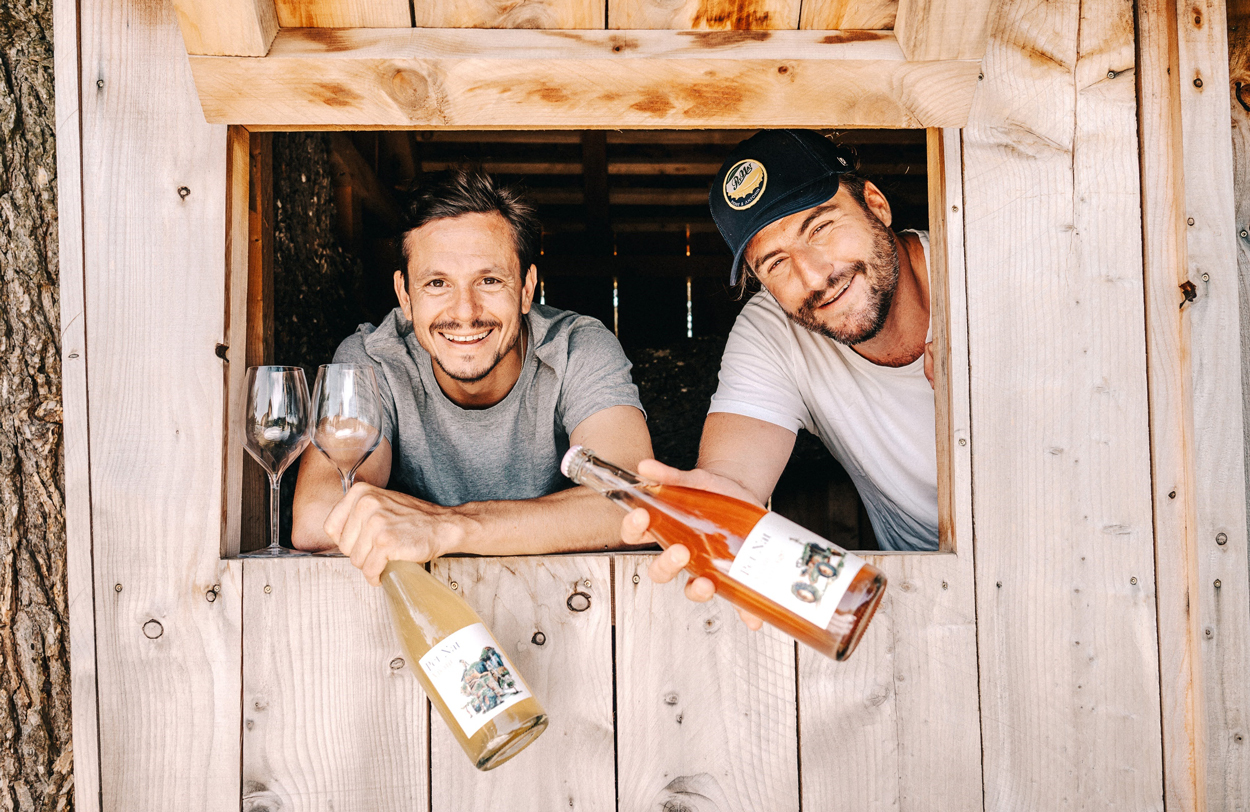
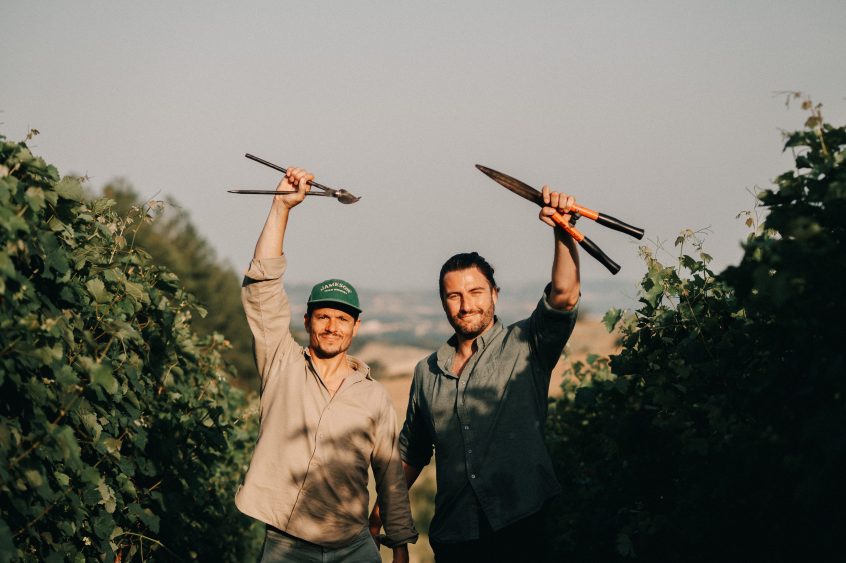
Pierre & Antonin were both born and raised in Languedoc, so when they decided to start producing wine in 2022, this region seemed to be the obvious choice. Despite both coming from very traditional winemaking backgrounds, they set out to be creative, innovative and sustainable. Their focus centres on natural, low intervention winemaking and organic practices.
After first tasting their wines in early 2025, we were immediately impressed and decided to add their range to our portfolio. They are truly a great range, of expressive and endearing wines, from their easy-going still wines, to their energetic sparkling, we are pleased to highlight everything they are doing.
This past month we caught up with winemaker Antonin Bonnet to hear more about his expertise, plans for the future, and how he perceives sustainability in winemaking. We are thrilled to share with you our conversation, and our thoughts about this fantastic winemaking team.
Q: Can you give our readers a quick introduction to your estate, what you stand for and a bit about the wines you produce?
A: Pierre & I we met back in July 2010 in NY; we both worked in wine sales & we became friends right away. Both our families come from oenology backgrounds, and we started to talk about making wines one day together. He started on his own in 2015, I helped him with various topics until he offered me to join, which I did in 2020. Today we are working on our 6th vintage together. The estate is based in Montréal d’Aude, to the west of Carcassonne.
 Q: Can you tell us a bit about what your day-to-day looks like?
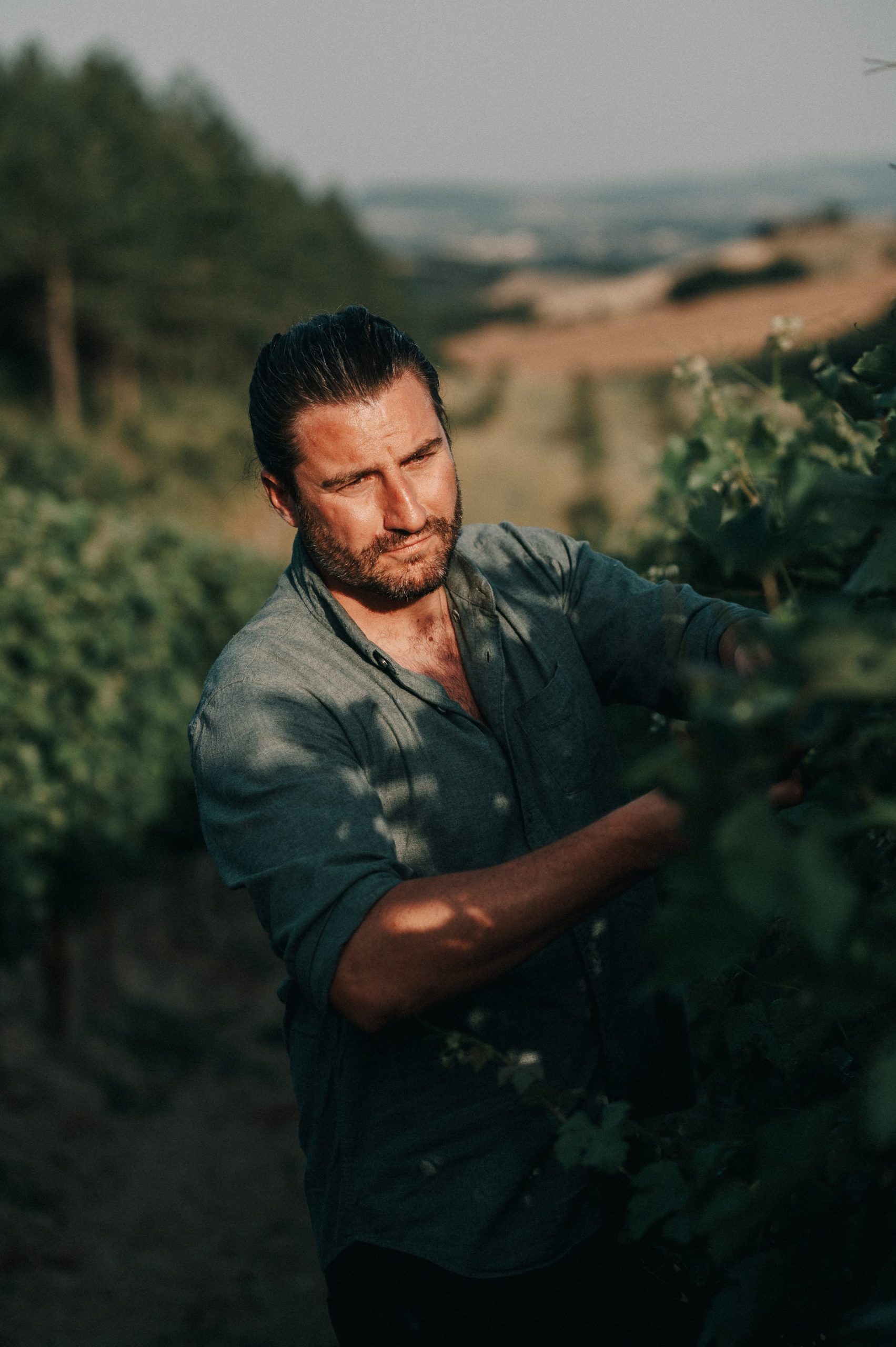
A: Honestly, no two days are the same. Our role with Pierre is really centred around production: selecting the right grapes, working on the aromatics, overseeing the bottling. That’s the core of it. And then once the wine is made, you have to tell the story, so there’s the international side too, managing relationships with importers across the US, Northern Europe, Korea, Japan. Winter is the most intense period, between bottling and the wine fair circuit. The pace really picks up.
Q: You describe your wines as ‘natural’, what does this mean to you, and why do you think it is important?
A: For us it’s quite simple, we don’t add anything that isn’t already there. Indigenous yeasts only, no fining agents, no added sulphites. Everything we produce is certified organic. And working with resistant varieties means we have almost no treatments in the vineyard to begin with. So by the time the grape reaches the cellar, it’s already been grown as cleanly as possible. The winemaking just follows that logic.
Q: Can you explain what resistant varieties are, and why you use them?
A: Resistant varieties (or PIWI varieties) are grape varieties that have been developed to be naturally resistant to fungal diseases, mainly mildew and powdery mildew. Classic varieties are quite fragile and need a lot of treatment to survive. Resistant grape varieties don’t. We work with several of them: Souvigner Gris, Cabernet Cortis, Artaban… each one brings something different. They’re still relatively new in the wine world but we genuinely believe they are the future of wine.
Q: You use ‘eco-friendly’ packaging, how do you find this sort of packaging, and why is it important to you?
A: Once you’ve decided to farm organically and work with resistant varieties, it feels logical to go all the way. So the packaging had to follow the same thinking. We use the lightest bottle currently on the market, which significantly reduces our carbon footprint in production and transport. For our corks we use DIAM, made from cork sourced in Roussillon. And we’ve moved away from aluminium capsules, which are often imported from China, in favour of natural wax or simply nothing. It’s about being coherent from vine to shelf.
Q: What is the biggest obstacle you have to overcome in producing wine?
A: Getting resistant varieties taken seriously. We’re stepping outside of the big established appellations, working with grape varieties most consumers have never heard of, and asking
people to trust something new. That takes time and a lot of education with buyers, with sommeliers, with end consumers. The category doesn’t have the same recognition as a Burgundy or a Bordeaux, and that’s a real commercial challenge. But we genuinely believe these varieties are the future of sustainable winemaking, so it’s a challenge worth taking on.
Q: What part of the winemaking process do you enjoy the most?
A: I have a real thing for skin-contact fermentation, what we call “macération pelliculaire”. It’s the technique behind our orange wine, the Petit Sauvage Orange. The idea of leaving white grapes in contact with their skins during fermentation, the way it adds texture, colour, tannins — things you don’t expect from a white grape — I find it fascinating. And the result in the glass is always surprising, even for people who think they know what to expect from a white wine.
Q: Here at Nickolls & Perks, we have found your sparkling wines to be really popular with our team and our customers – how would you describe the style of these wines, and how do you feel about Pet Nat, and Cremant generally?
A: That’s really great to hear ! Vivant is one of our most personal wines, so it always means a lot when people connect with it. Vivant is a Pet-Nat, made using the ancestral method — w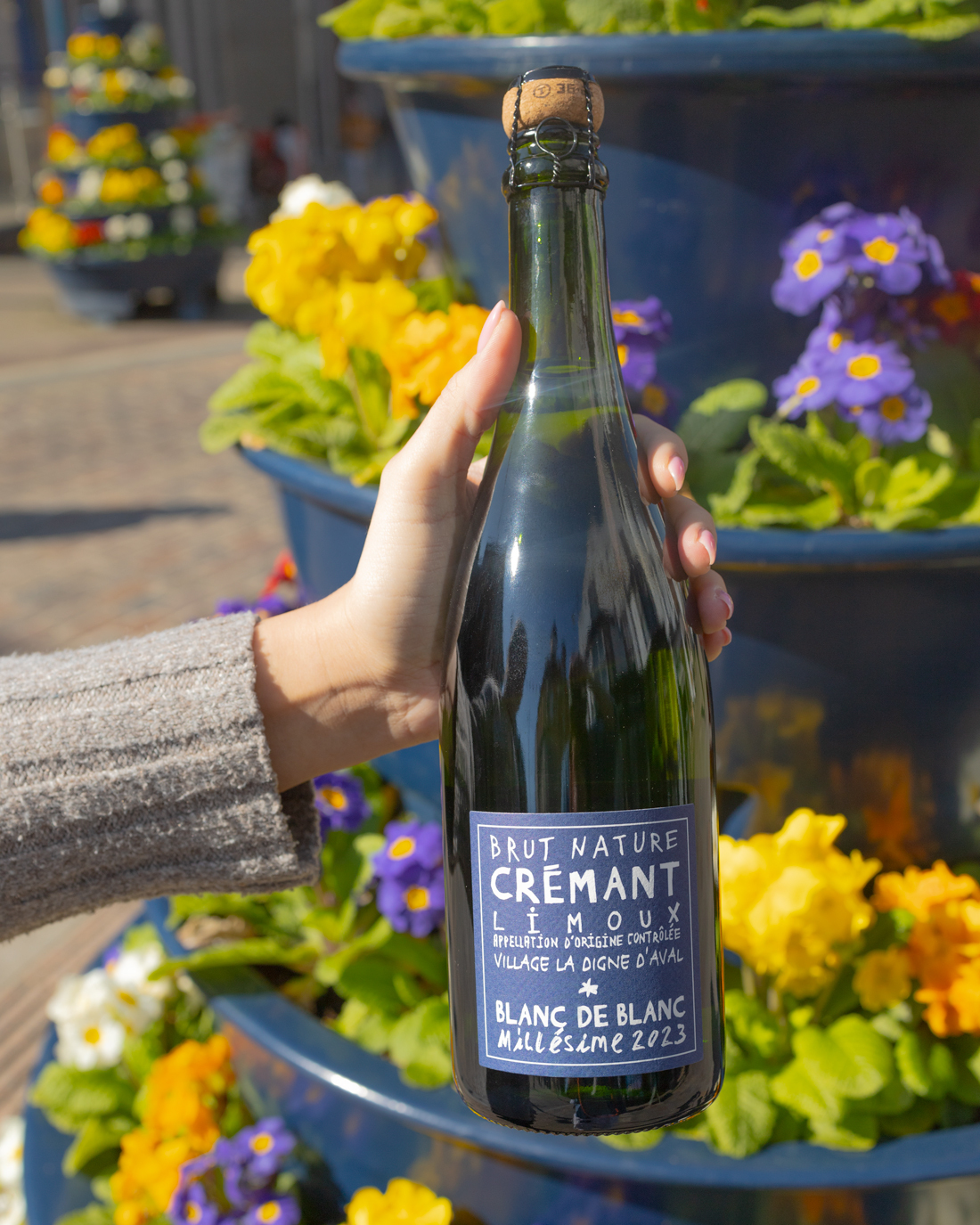 hich is the ancestral sparkling method from our own region. Limoux, just up the road from our estate, is often cited as the birthplace of sparkling wine, centuries before Champagne. So, there’s something that feels very right about coming back to that original method. In terms of style, it’s everything we love about natural wine: alive, slightly hazy, with a gentle, delicate bubble. It’s made from Souvignier Gris, non-disgorged, no dosage, no added sulphites. The lees stay in suspension and give it this unique texture and aromatic depth — citrus, white peach, incredibly refreshing. It’s the kind of wine you open when you just want to enjoy the moment. On the sparkling wine world more broadly — there’s so much exciting diversity right now, from Pet-Nat to Crémant to everything in between. Each style has its own logic and its own place at the table. What we love about Pet-Nat specifically is how it fits our philosophy: one fermentation, no intervention, nature doing the work. But great bubbles come in many forms — and the most important thing is always what’s in the glass.
Q: How do you see the future at Pierre & Antonin? Any big changes coming?
A: The goal is to become the reference for resistant varieties, to be the estates people think of when they think “resistant grape varieties”. There’s still so much work to do on that front, both in terms of awareness and distribution. At the same time, we want to connect with a new generation of wine drinkers who are looking for something lighter, more accessible — that’s really what our Grapi range is about. Different entry points, same values. So, the ambition is both to go deeper with the people who already know us, and to reach people who maybe haven’t found their way into natural wine yet.
You can shop the range from Pierre & Antonin here.