
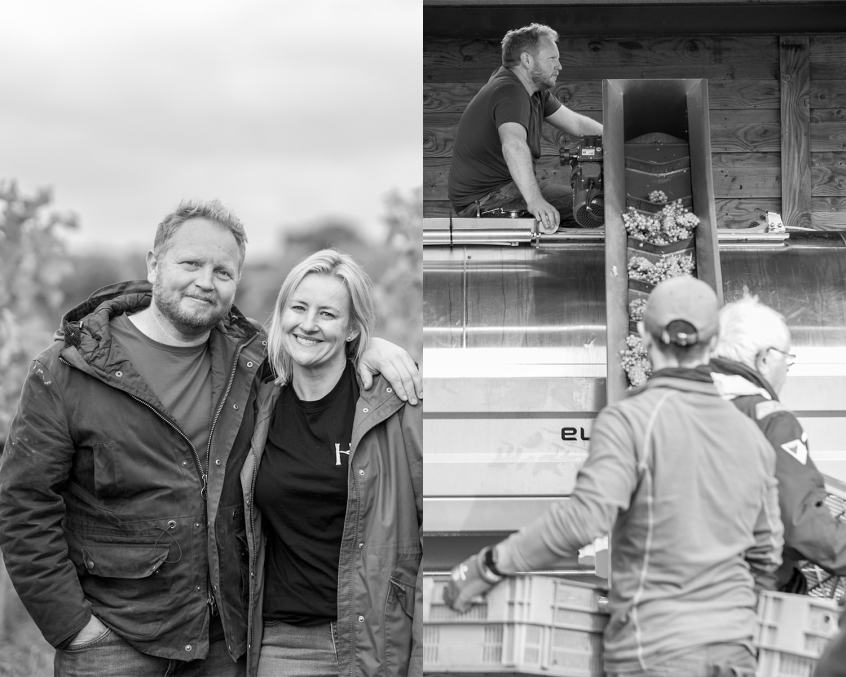
Tucked away in the rolling hills behind Marlow, Harrow & Hope is a shining example of the exciting evolution of English sparkling wine. What began as a vision for Henry and Kay Laithwaite – to find the perfect site to produce world-class sparkling wines – has, over the past decade, grown into one of England’s most respected boutique wineries. Today, their wines are gaining well-deserved recognition, thanks to a meticulous approach that puts the vineyard first.
At the heart of Harrow & Hope is a belief that great wine begins in the soil. By farming with organic principles and working in harmony with nature, Henry and Kay allow their vineyard’s unique terroir to shine through in every bottle. From the flint, clay and gravel soils that nurture expressive Pinot Noir to the pure chalk slopes that give Chardonnay and Pinot Meunier their freshness and finesse, every decision is guided by a desire to showcase the character of their remarkable site. In the winery, that same philosophy continues through small-batch winemaking, native yeast fermentations and a patient, hands-off approach that results in sparkling wines with exceptional depth, texture and complexity.
In conversation with Henry…
What first inspired you and Kay to start Harrow & Hope?
After 10 years making wine in Australia and France we found ourselves moving back to the UK to start a family and with everything we’d learnt along the way it felt the right time to start a new venture in the nascent English wine industry.
Was there a defining moment when you knew English sparkling wine had the potential to be world-class?
Having tasted the work of the early pioneers like Nyetimber and Ridgeview it was clear the quality potential of English Sparkling could compete on the world stage, we just needed to find a site that gave us the best chance of succeeding.
What made the site behind Marlow stand out from everywhere else you looked?
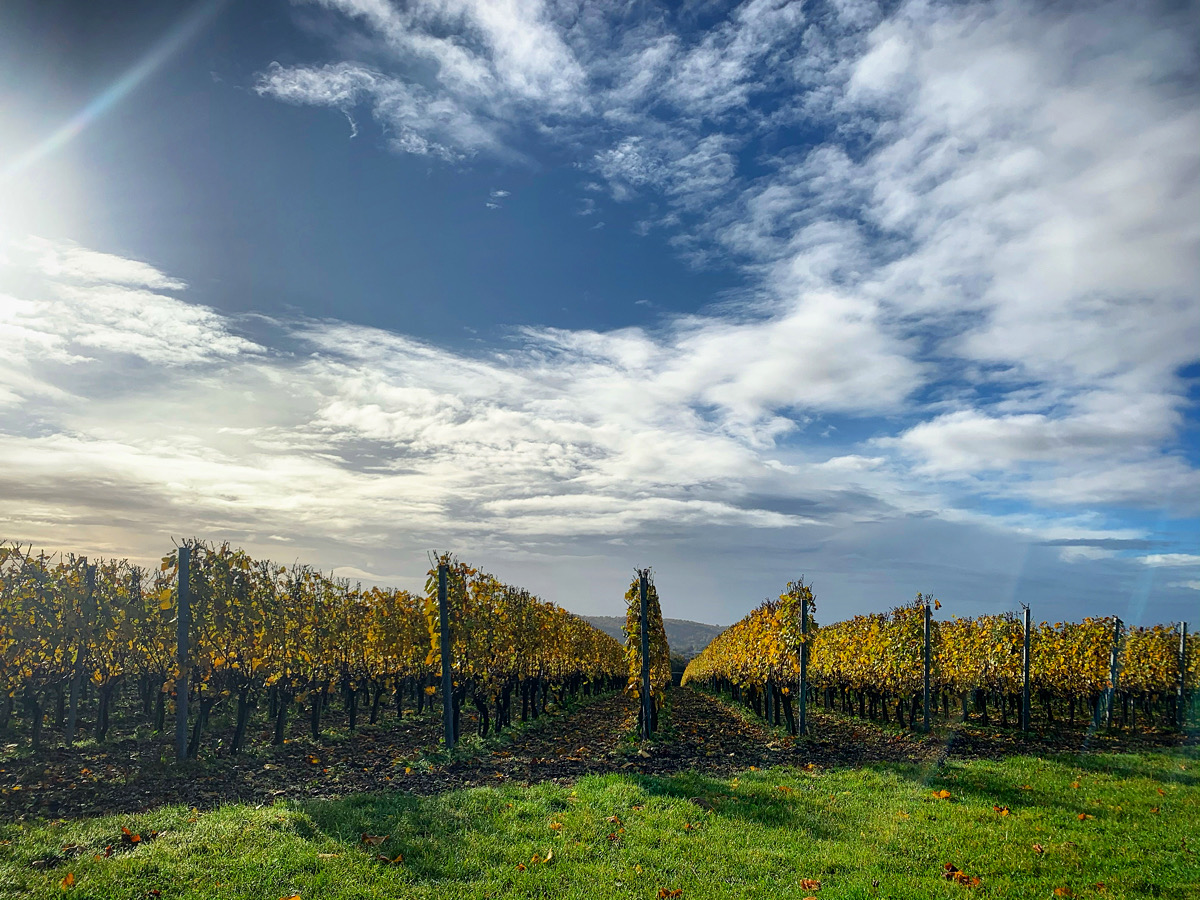
The site we now cultivate on the hills behind the town of Marlow, came to us by pure chance. We had other sites in the Chilterns that we were discussing but they either weren’t quite right or were only available on lease. This site just popped up at the right time and we knew immediately we weren’t going to find anything better. Perfect exposition, on a slope but not too high and more importantly chalk bedrock with varying degrees of tertiary gravel material laid down by the river.
Organic practices are central to your work. What are some of the biggest challenges – and rewards – of farming this way in England?
Organics was always something I wanted to do but the UK weather made me very wary. But when COVID hit it seemed like the right moment to take a risk. The 3 years of conversion are the hardest as the vines need time to build their strength and resilience, plus it took us time to refine our methods. There were certainly moments when I nearly buckled and gave up but we kept going and the reward has been a vineyard that is a lot more resilient to extreme weather and able to resist disease pressure in the toughest years. Yields have not been affected and I actually think because the soil is so much healthier and able to retain moisture we do a lot better in drought years.
If someone was trying Harrow & Hope for the very first time, which wine would you pour them and why?
I think the wine that sums up H&H best is the Brut Reserve. Because the blend represents the vineyard plantings and the components come from the whole site, including at least 30% reserves from a perpetual reserve built up over many years. Even though they are numbered and each release has an imprint of a particular year, they all share the core complexity and character that comes from the vines.
What has been your proudest moment since launching Harrow & Hope?
There’s been plenty of proud moments. It’s always nice to win gold medals and trophies, but the enjoyment is short lived. I think next year when I’m able to put a little organic logo on my bottles will be my proudest moment. It means different things to different people, but for us it represents 8 years of hard work and progress and a beautiful vineyard that is rich in biodiversity and natural strength.
A deep-dive into the wines…
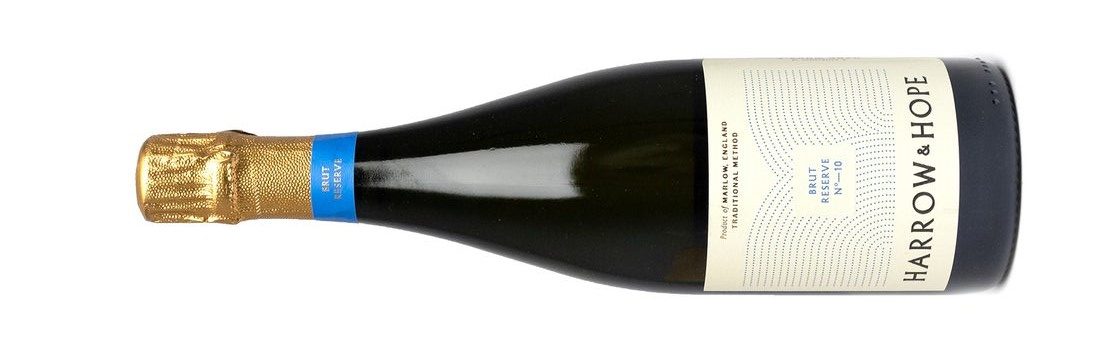
Harrow & Hope, Brut Reserve, England NV – £36.85
Their reserve non-vintage is a great entry point to the estate, as it is uses a blend of varieties and sites across their estate. It is a blend of 40% Chardonnay, 35% Pinot Noir and 25% Meunier – making for a classic, traditional method sparkling wine. They use a proportion of wine aged in oak, then also age the wine under its lees for 32 months – giving complexity, texture, and an all-round endearing wine.
On the nose, expect fresh lemon, white peach, toasted almonds, brioche and a floral lift. The palate is vibrant, and finely textured with delicate bubbles and a gentle creaminess. The finish is long, refined and mineral. It is a poised sparkling wine which works perfectly as an aperitif, but can also be versatile with food.
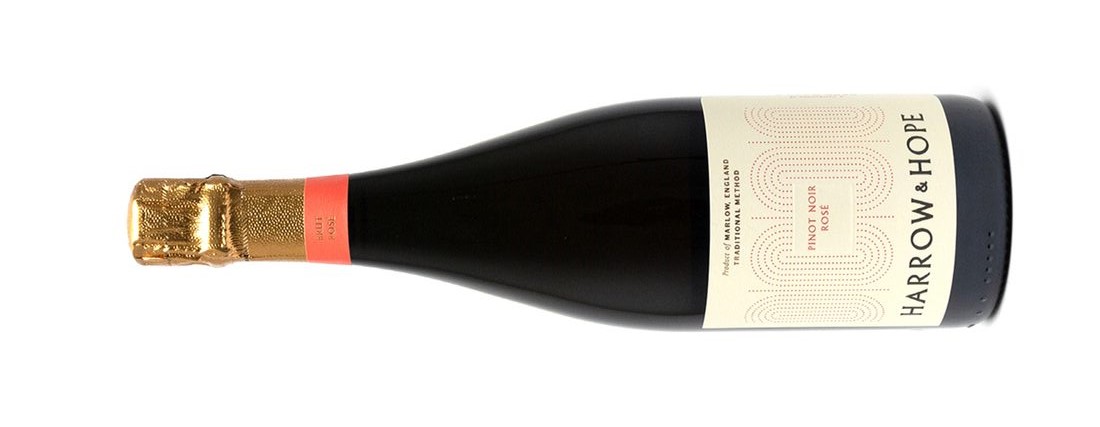
Harrow & Hope, Brut Rosé, England 2022 – £41.00
Their Rosé presents with a salmon-hue, natural ripeness and exuberant character. This wine uses 40% Pinot Noir, 30% Chardonnay and 30% Meunier, all from a single, wonderful vintage. Henry noted that this wine is stylistically closer to Champagne rather than English sparkling, owing to the chalky soils which preserve its lively acidity.
You can expect notes of strawberry, cherry, cranberry, lime zest and white peach. There is a refreshing streak of minerality, rounded mid-palate and gentle notes of warm pastry and subtle spice on the back. It offers real depth, sophistication and texture. It pairs beautifully with fish, charcuterie, or even fruit-forward desserts.
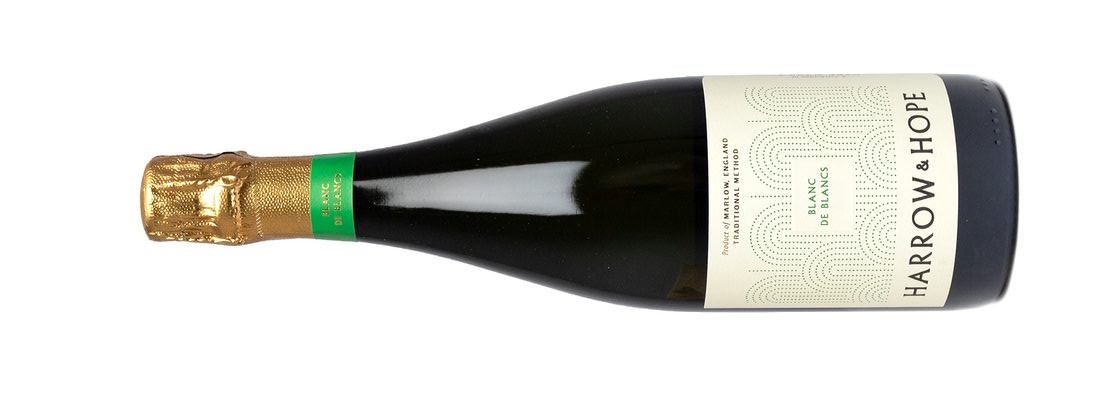
Harrow & Hope, Blanc de Blancs, England 2020 – £43.00
A wine of 100% Chardonnay, 50% of which is fermented in oak, giving richness, texture, and classic Chardonnay charm. The 2020 vintage was exceptional, with low yields giving great concentration of flavour.
The palate is precise and focused, combining concentrated orchard fruit, chalky minerality and complex flavours of hazelnut, brioche and orange blossom. It is gently rich, yet balanced by remarkable freshness – it certainly offers ageing potential too. I would pair this with oysters, or scallops, it would make for an indulgent and pure tasting experience.