
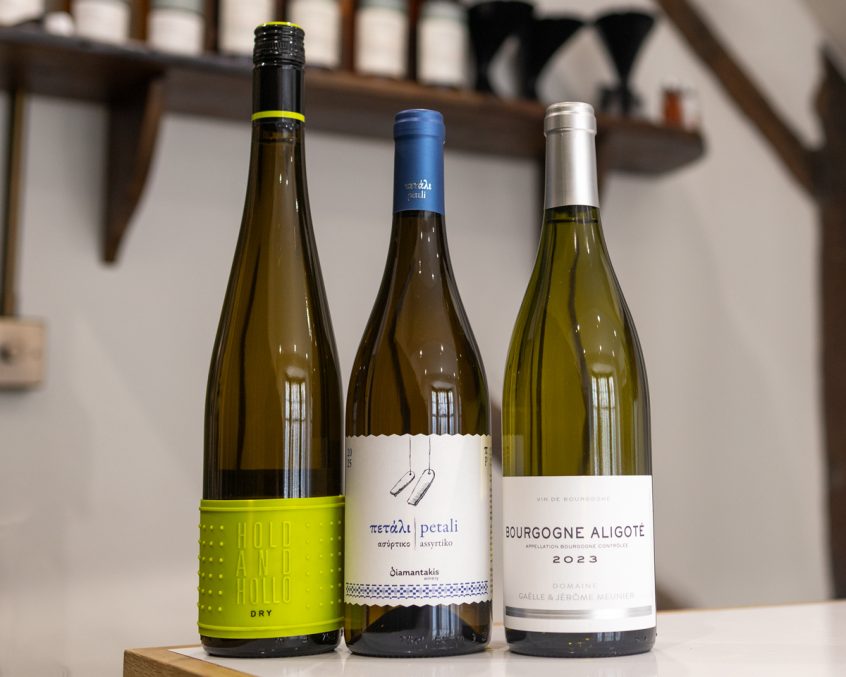
While Chardonnay, Pinot Grigio, and Sauvignon Blanc dominate wine lists worldwide, there’s a rich world of lesser-known white grape varietals waiting to be explored. These grapes, often indigenous to their home regions, carry the unique flavors and stories of the lands they come from.
From the sun-drenched hills of Greece to the rolling vineyards of Italy and the historic plains of Hungary. In this blog, we’ll introduce you to Aligoté and its fascinating “friends,” uncovering white wines that are as distinctive as they are delicious, each with its own heritage and character.
Aligoté
Aligoté is often called the “cool sister” of Chardonnay – and for good reason. While Chardonnay dominates with richness and power, Aligoté offers a fun, fresh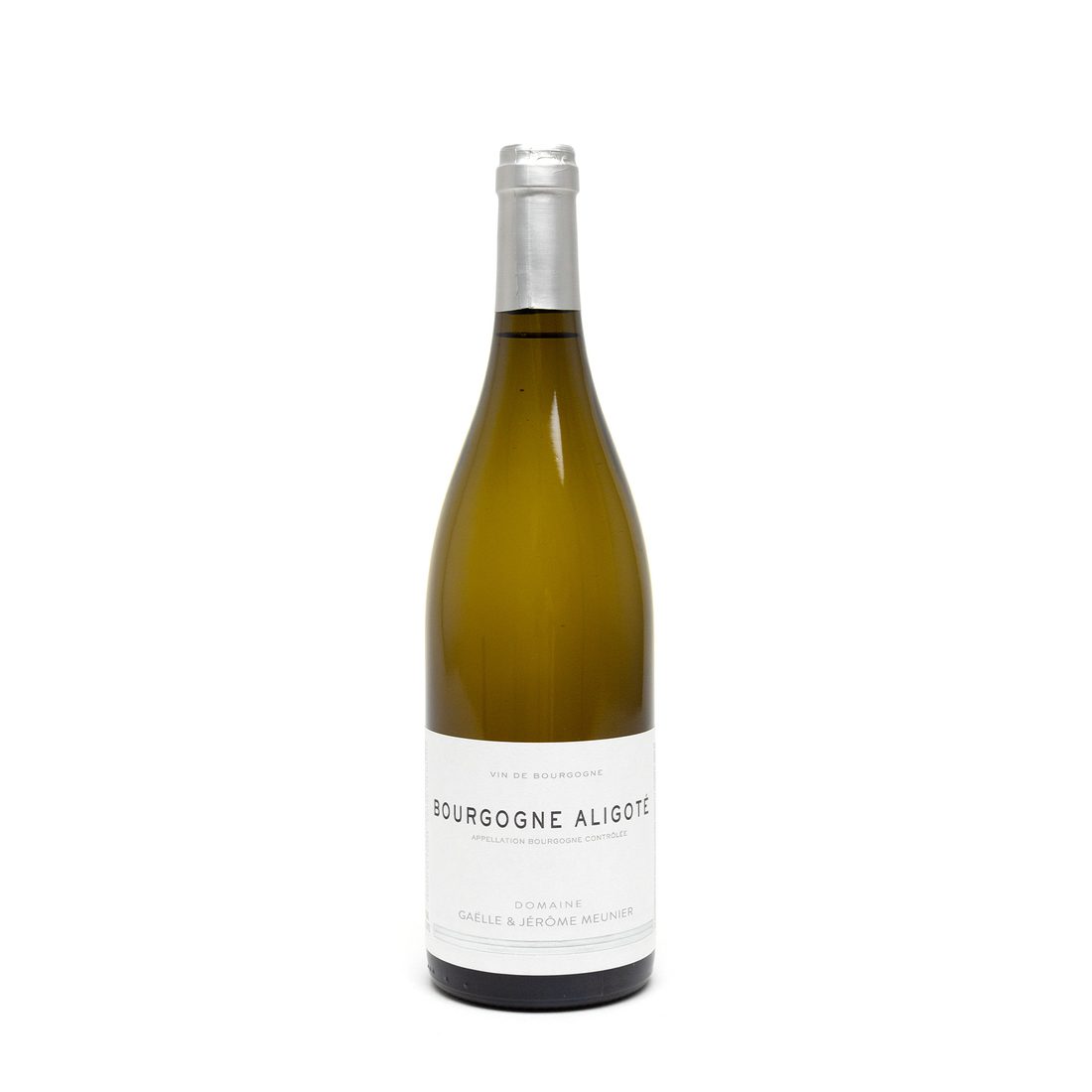 , and zesty alternative, with crisp acidity and bright flavors of green apple, citrus, and white flowers. Light and approachable, it’s perfect for those seeking a lively white wine that feels effortless and joyful, whether sipped on its own or paired with light salads, seafood, or soft cheeses.
One standout example comes from Domaine Gaelle et Jerome Meunier in Burgundy, where the grape shines with precision, freshness, and expressive minerality. This wine demonstrates why Aligoté deserves more attention: it’s energetic, charming, and a delightful reminder that white wine doesn’t always have to be serious to be excellent.
Grillo
Grillo is a sun-loving white grape native to Sicily, where it has thrived for centuries. The wines from Grillo are typically vibrant and aromatic, with bright notes of citrus, white peach, tropical fruit, and a subtle herbal edge. Its natural acidity makes it refreshing on its own and an excellent partner for seafood, grilled vegetables, or light pasta dishes.
We have two Sicilian wines for you to try, both of which show the versatility of Grillo. First, the Azisa from Mazzei – whilst they are an estate known for their Tuscan heritage, they ventured to Sicily and really made the best of the volcanic soils and the native grapes here, this white wine is dense, yet refined with a lovely dry, mineral finish.
My next suggestion would be what is perhaps our best value white wine; the Sensale Grillo from Sibiliana. This wine is crisp, citrus-forward and showcases quite a rich texture. It makes for the perfect glass to enjoy in the sunshine.
Torrontes
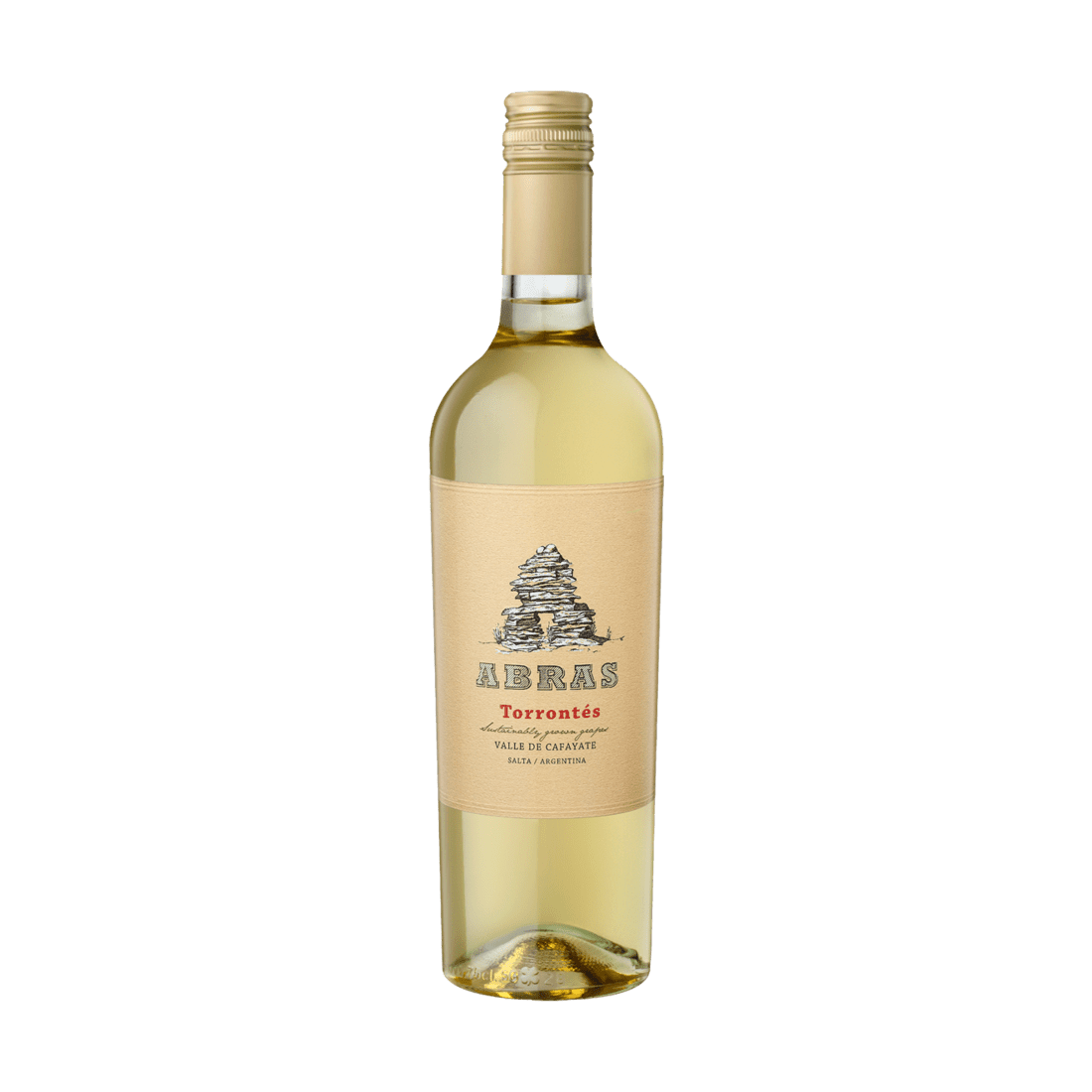 Torrontes is Argentina’s signature aromatic white grape, most famously found in the high-altitude vineyards of Salta. Bursting with floral and tropical notes – think rose petals, orange blossom, and juicy peach – Torrontes is vibrant, fragrant, and instantly memorable. Its refreshing acidity and pronounced aromatics make it an ideal companion to spicy dishes, grilled seafood, or simply as a lively aperitif.
For a standout example, the Abras Torrontes from the Cafayate Valley in Salta, captures the grape’s bright, expressive character while showcasing the minerality and crisp acidity which results from growing grapes at higher altitudes.
Cortese
Cortese, is perhaps more widely known by the appellation where it is widely planted – Gavi DOCG.
Known for producing crisp, elegant white wines, Cortese showcases delicate notes of green apple, white flowers, citrus, and a hint of minerality. It’s a versatile grape, equally at home as a fresh, lively aperitif or paired with seafood and light pasta dishes.
I would recommend either the Tenuta del Melo, or the Araldica Tassarolo for a quintessential experience of Gavi and Cortese.
Arinto
A Portuguese grape often used in blends alongside other grapes like Loureiro, or Malvasia. It is famously used in production of Vinho Verde – our favourite example of this being Chin Chin!
When Arinto is used in a blend, it brings with it notes of beeswax, nuts, and citrus freshness. It is also used in the blend for Quinta da Fonte Souto, a wine produced in Alentejo. Arinto brings complexity, ripe character and freshness to this wine, making for a wonderful expression of what Portugal’s native grapes can do.
Furmint
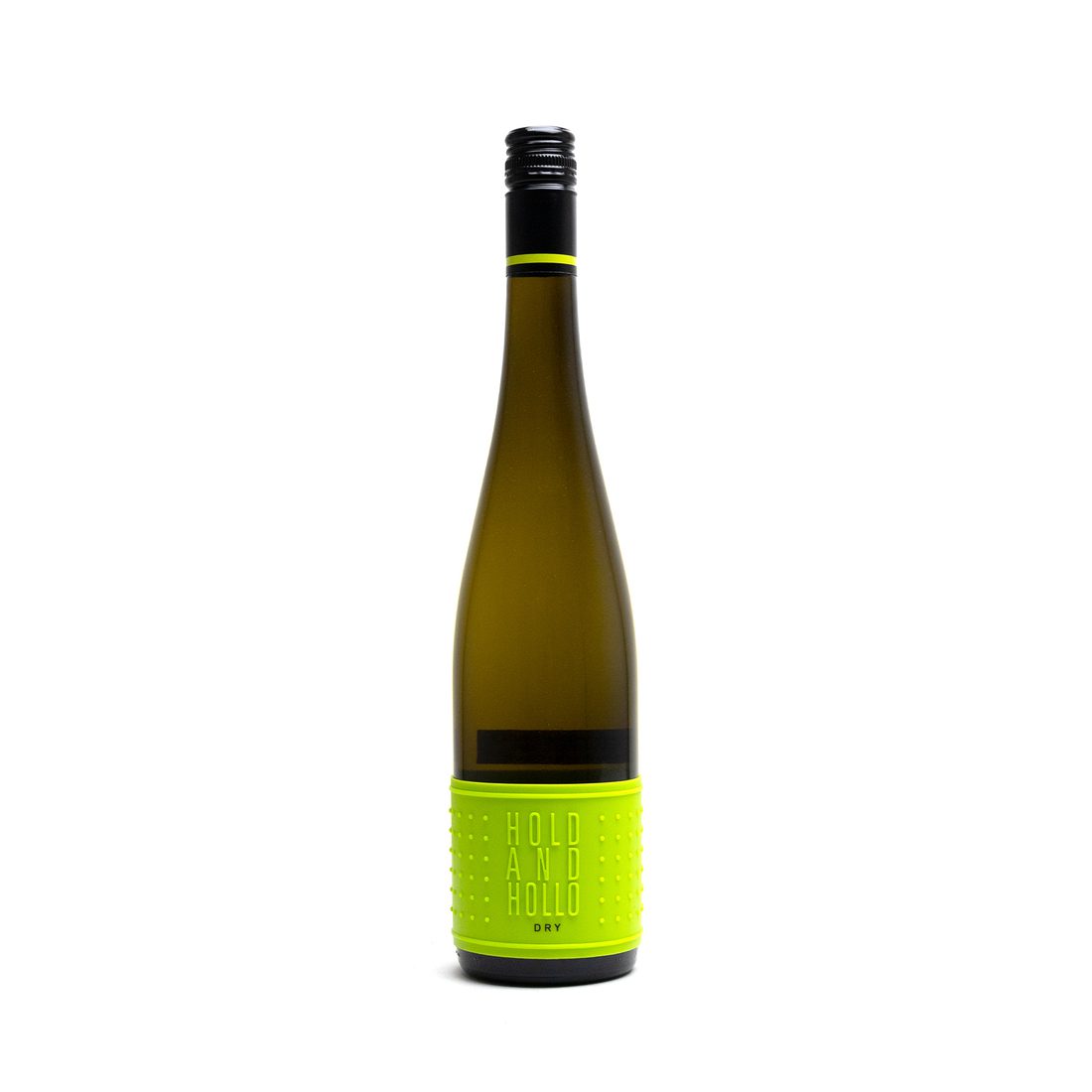
Most famously used in Tokaji sweet wines, Furmint is becoming more and more known for dry versions. It often has notes of citrus fruit, quince, spice and smoke – factors which have resulted in it often being compared to Riesling.
If you haven’t yet explored dry Furmint, standout bottles like Hold and Hollo or Kardos are excellent introductions. These wines shine as refreshing aperitifs or alongside fresh salads, seafood linguine, or lightly seasoned roasted vegetables. Furmint is a perfect example of a white grape that rewards curiosity, offering elegance and complexity that feels both familiar and delightfully unexpected.
Verdicchio
A wonderful, aromatic grape primarily found in the Marche region of Italy. The wines produced from this grape showcase notes of citrus, peach, almond, and salinity.
This grape is very popular in this region of Italy, so much so that they actually created two DOC’s (areas of controlled origin) after this wine; Verdicchio di Matelica, and the most famous Verdicchio dei Castelli di Jesi. If you wanted to try one of these renowned wines, I would suggest the La Staffa, as it is classic Verdicchio, so expressive, complex and refreshing.
Assyrtiko
Our final white varietal to explore is the fresh and mineral Assyrtiko, hailing from the island of Santorini, and now grown far and wide. This is arguably one of Greece’s most popular grape varieties, famed for its freshness, versatility and ability to age.
One of my favourite examples actually comes from Macedonia, from the Voyatzi estate. Their ‘Lefkotsiknias’ Assyrtiko is aged partially in oak, clay amphora and stainless steel, giving complexity, texture and an endearing quality. It is a truly serious expression of this wonderful Greek grape.
Assyrtiko can also often be found blended with other native Greek varietals, such as Vidiano. The Diamantakis estate in Crete produced a wonderful blend which balances richness with crisp acidity, and makes for such a refreshing glass.
Exploring these lesser-known white grapes reveals just how diverse and exciting the world of wine can be. From the sun-drenched vineyards of Sicily to the historic wine regions of Central and Eastern Europe, each variety brings its own story, flavour, and character to the glass. So next time you’re looking to step off the beaten path, skip the familiar favourites and give a lesser-known grape a try – you might just discover a new favourite.
You can explore our range of lesser-known white grapes here.